
The officers were not looking for a miracle. They were looking for a man with warrants.
They found him under the I-40 overpass in Oklahoma City, 5-foot-9 and 92 pounds, hair in his face, body eaten down by heroin, diabetes, and an infection crawling through his hand. Jail would not take him. A nurse looked at what was left of Danny Ellerd and sent him to the emergency room instead.
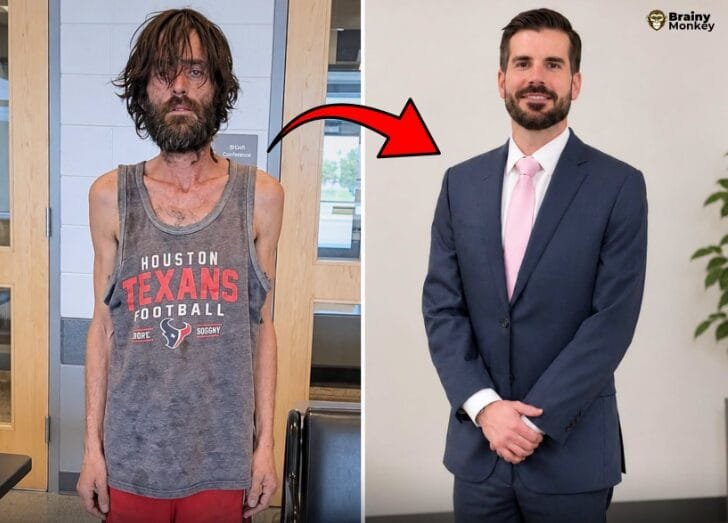
That was supposed to be the end of the story, or close to it. Fifteen years of addiction. Years on the street. Tents. Abandoned houses. Overdoses. A father driving the same blocks, hoping his son was still alive.
Mark Ellerd had already tried bringing him home. It had not worked. Addiction had burned that bridge. So when bounty hunters came looking, Mark told them where to find his boy. Jail, he thought, at least meant food and no easy access to drugs.
Jail refused him. The hospital took him. Doctors fought for his life and for the hand the infection had nearly claimed. In a room that smelled of antiseptic and fear, a father told his son what no father wants to say: a man is not supposed to watch his child die like this.
Danny saw his father cry. Something in him understood, finally, that there would not be another version of this night.
He left the hospital with a Walmart bag of clothes and walked into Hope Is Alive. Recovery did not arrive as a thunderclap. It arrived as structure. Meetings. Accountability. Days that had to be lived one at a time after years of living only until the next high.
By 2023 he was sitting in classrooms at Oklahoma State University–Oklahoma City. Part-time work. A recovery home. Full-time school. No shortcuts, people who knew him said. He earned a leadership scholarship that paid for almost all of it. He finished two associate degrees — computer information systems and enterprise development — with a 4.0. The university named him a 2025 Women for OSU Scholar.
The man who once panhandled and slept under bridges now works as a housing navigator for City Care, walking toward the same kind of people he used to be. He sponsors men in recovery. He wrote a book called Recovery Is Possible. Helping them, he says, keeps him honest about where he came from.
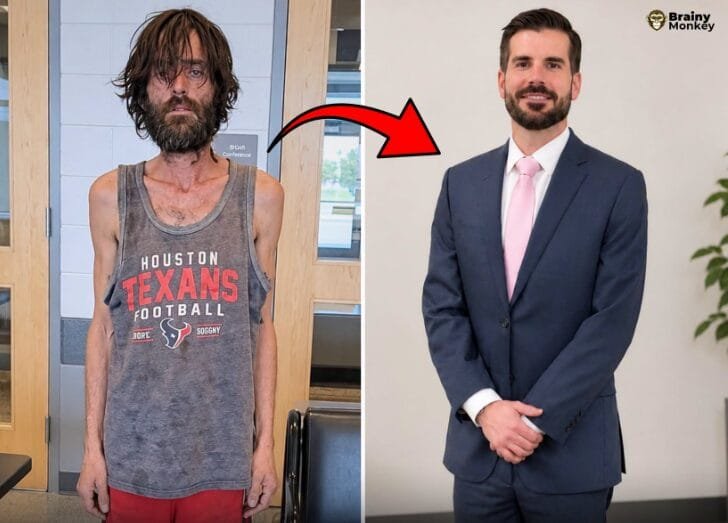
He is married now, to Brandelyn. They have a son, Benjamin, ten months old. His parents were at the wedding. On Sept. 4, 2026, he marked five years sober.
He still remembers the tent. He still remembers thinking he was probably about dead, and making a bargain with whatever was left of himself: if I get one more chance, I will do it right.
He got the chance.
He did.