
As of 2026, Alabama, Florida, Indiana, Mississippi, Montana, Nebraska, Texas, and South Dakota have passed laws that ban or temporarily restrict the manufacture, sale, or distribution of cultivated meat — animal protein grown from cells in a facility rather than from a slaughtered animal.
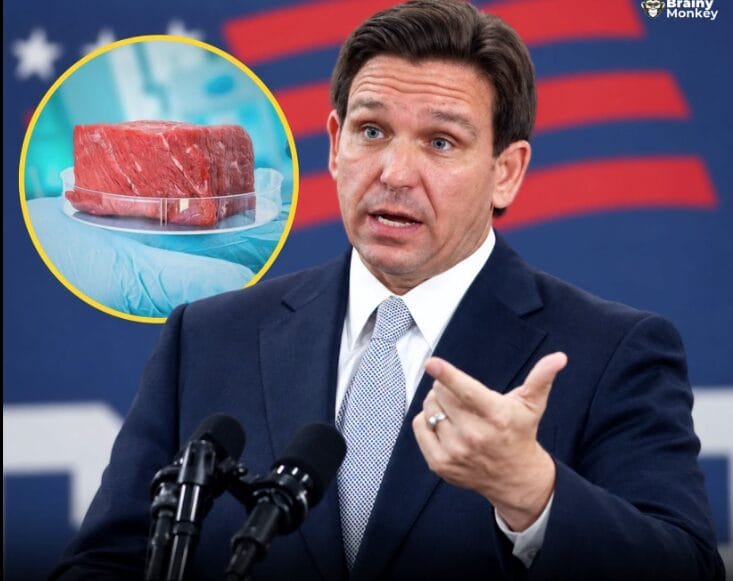
South Dakota became the eighth. Gov. Larry Rhoden signed Senate Bill 124 in March after first vetoing a permanent ban. The moratorium took effect July 1, 2026, and runs through June 30, 2031. Violators face a Class 2 misdemeanor: up to 30 days in jail, a $500 fine, or both.
Rhoden, a rancher, framed the pause as a compromise. “Until we know more about the safety of cell-cultured protein, a five-year moratorium will allow for more adequate studies and for lawsuits to resolve,” he said. “You won’t catch me eating these products, but it’s against our values to ban products just because we don’t like them.”
The state had already required clear “cell-cultured” or “lab-grown” labeling and barred the use of state money to research or promote the products.
How the map filled in
Florida moved first in 2024 under Gov. Ron DeSantis. Alabama followed the same year. In 2025, Mississippi, Montana, Nebraska, Indiana (through June 30, 2027), and Texas (through September 1, 2027) joined. Several of the later laws are time-limited rather than permanent.
Most of these states have large livestock industries. Supporters argue the laws protect ranchers and conventional producers from a competitor they say is unproven, poorly labeled, and backed by interests that want to sideline traditional agriculture. They also cite consumer transparency: people should know whether they are buying meat from an animal or from a bioreactor.
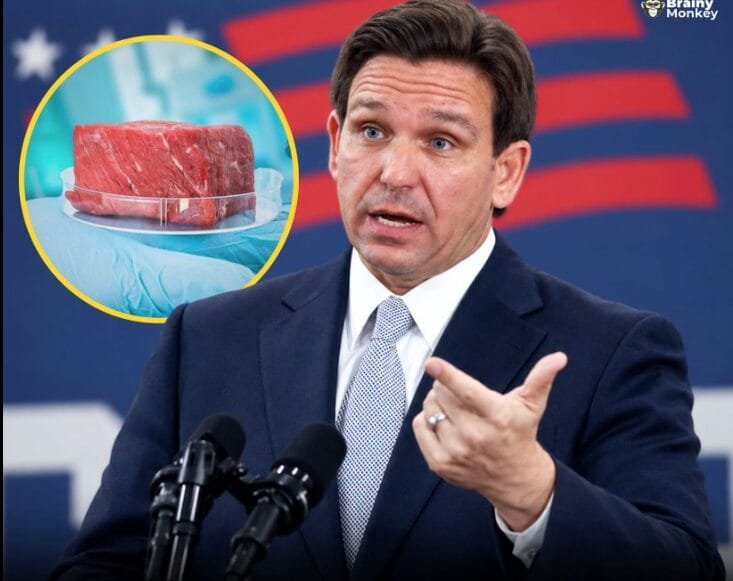
Critics — including cultivated-meat companies such as UPSIDE Foods and Wildtype, plus groups that favor alternative proteins — say the bans are economic protectionism dressed up as food safety. The FDA and USDA have already cleared some products. A handful of cultivated items, notably cell-cultivated salmon, have appeared on a few restaurant menus; mass-market grocery availability is still years away. Opponents argue states are blocking innovation and consumer choice before the market has a chance to decide.
Legal fights are underway. UPSIDE Foods challenged Florida’s ban. In March 2026 the 11th U.S. Circuit Court of Appeals upheld it, finding the law a product ban rather than a regulation of federally inspected facilities. A similar suit against Texas remains pending. Those cases are part of why South Dakota chose a sunset date instead of an open-ended prohibition.
What comes next
More states have considered bills. Some have stuck to labeling rules rather than outright bans. Congress has debated nationwide labeling standards, including the FAIR Labels Act. Whether the current eight become a larger bloc, or whether courts and federal rules eventually constrain the patchwork, is still unsettled.
For now the practical effect is limited: cultivated meat is scarce even where it is legal. The political effect is not. Farm-state legislatures have treated the technology as a threat to identity as much as to market share.
Eight states have drawn the line. More could follow.
Would you support a ban on lab-grown meat in your state?