
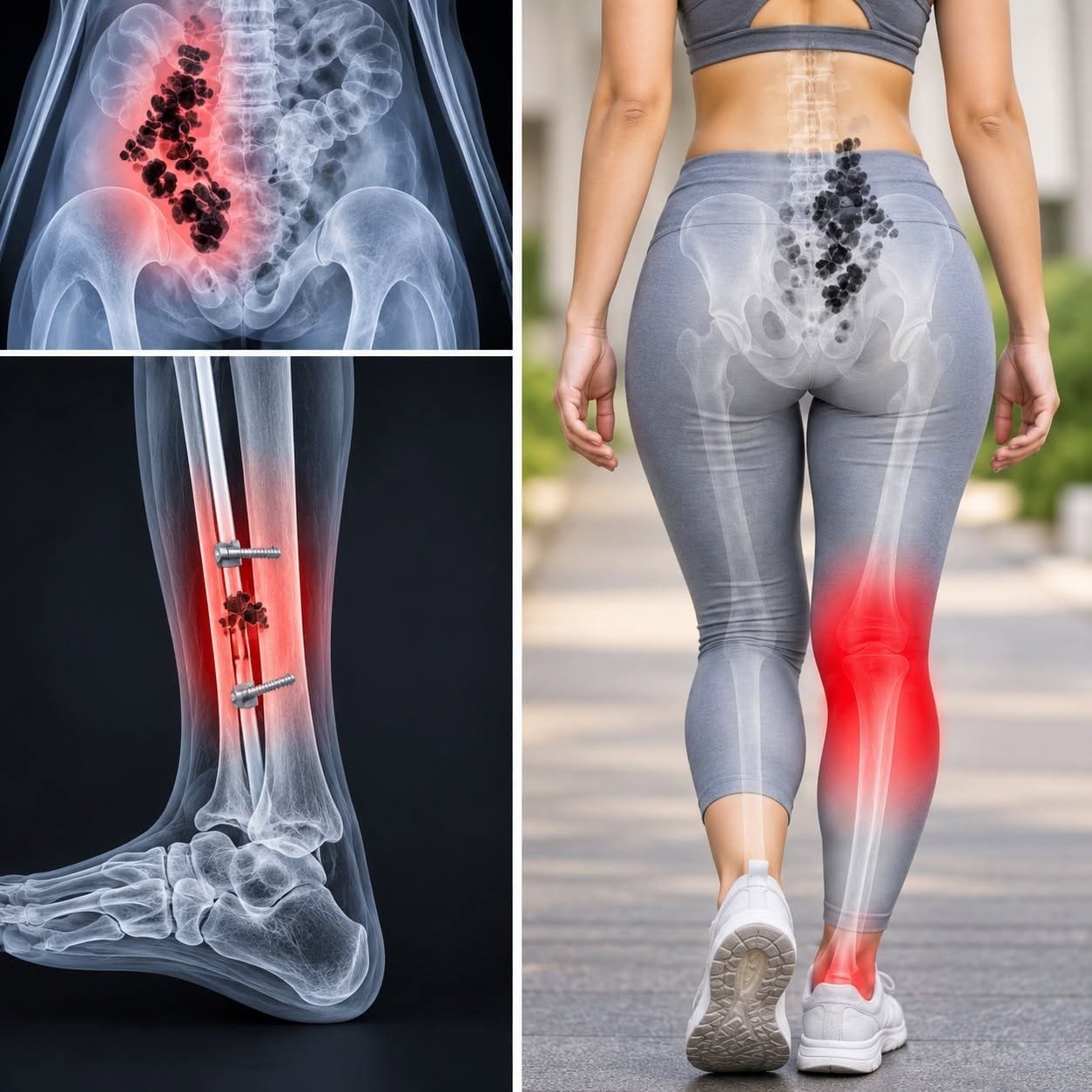
Millions were vaccinated worldwide, but questions about long-term health remain.
Chapter 1: Why Concerns About Vaccine Safety Continue to Spread
Since the global rollout of COVID-19 vaccines, billions of doses have been administered across different countries. While the vast majority of people experienced either no side effects or only mild symptoms such as soreness, fatigue, or fever, reports of more serious health conditions have occasionally attracted widespread attention.

Public concern often grows when dramatic images or personal stories appear online. In many cases, these stories are shared without full medical context, making it difficult for readers to determine whether a health problem was actually caused by vaccination or resulted from another underlying condition.
Medical experts explain that every large vaccination program generates reports of illnesses occurring after vaccination simply because millions of people are being monitored. Some individuals will naturally develop medical problems unrelated to the vaccine during the same period
Researchers continue to analyze large datasets to identify genuine vaccine-related risks. Transparency has become an important part of public health communication, allowing healthcare providers to investigate unusual cases while maintaining confidence in evidence-based medicine.
Understanding the difference between correlation and causation remains essential. Just because two events occur close together does not automatically mean one caused the other.

Chapter 2: What Studies Have Revealed About Side Effects
Scientific studies conducted around the world have identified several rare side effects associated with certain COVID-19 vaccines. These effects were detected through extensive monitoring systems designed specifically to identify uncommon medical events.
For example, some vaccines were linked to rare cases of myocarditis, particularly among younger individuals. Other vaccines were associated with uncommon blood-clotting disorders. Importantly, health authorities quickly communicated these findings and updated medical recommendations where necessary.
Most people who experienced these rare complications recovered after receiving appropriate medical treatment. Researchers continue to follow patients over time to understand long-term outcomes.

At the same time, numerous studies have shown that COVID-19 infection itself can increase the risk of severe complications, including heart problems, blood clots, lung damage, and neurological symptoms. This has led many health experts to compare vaccine risks with the potentially greater risks associated with infection.
The scientific process involves continual evaluation. As new information becomes available, recommendations may change. This ongoing review is not evidence of failure but rather a normal part of modern medicine and public health surveillance.
Chapter 3: Separating Facts From Viral Claims
Social media platforms frequently amplify dramatic headlines claiming that vaccines are causing widespread illness. However, many of these claims lack supporting evidence or rely on anecdotal stories rather than rigorous scientific investigation.
Experts recommend evaluating health information carefully. Reliable sources typically include peer-reviewed studies, statements from recognized medical organizations, and transparent explanations of how conclusions were reached.
When new symptoms appear, individuals should consult qualified healthcare professionals rather than relying solely on online speculation. Proper diagnosis often requires medical history, physical examination, laboratory testing, and expert interpretation.
The discussion surrounding COVID-19 vaccines highlights the importance of scientific literacy. Public health decisions are most effective when based on evidence rather than fear or misinformation.
As research continues, scientists remain committed to monitoring vaccine safety, studying long-term outcomes, and providing updated guidance. While questions and concerns are understandable, current evidence indicates that serious vaccine-related complications remain uncommon, and ongoing surveillance systems continue to track potential risks carefully.
Ultimately, informed decisions depend on accurate information, open discussion, and a willingness to follow credible scientific evidence wherever it leads.