
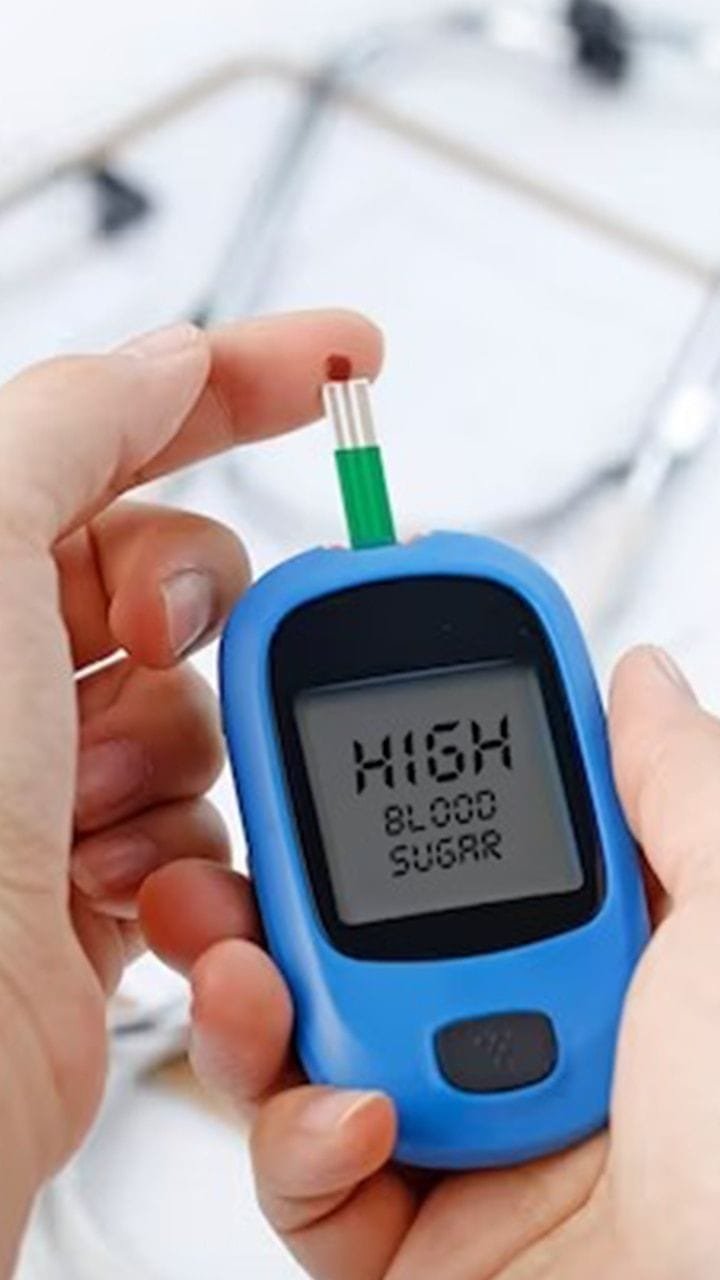
When the weather turns cooler, I see the same pattern in my own kitchen and in conversations with friends who manage blood sugar issues: routines change before we notice it. We linger longer between meals, drink less water, head out for walks in brisk air, or reach for more coffee than breakfast. That is often when low blood sugar can sneak up. One of the earliest warning signs for many people is a sudden shaky, jittery feeling, especially if it shows up alongside hunger, sweating, or a sense that your body is asking for fuel right now.
Low blood sugar, or hypoglycemia, generally means a blood glucose reading below 70 mg/dL, though symptoms can start a bit higher in some people and lower in others. In this article, I’m walking through 12 common signs to watch for, why cool weather can make them easier to miss, and what to do in the moment. I’m not a doctor, but I am a very practical cook who believes good health advice should be as clear as a recipe card: notice the signs, act quickly, and keep the right supplies within reach.
1. Shakiness or trembling
This is often the first sign people notice. Hands may tremble, knees may feel a little weak, or you may get that unpleasant internal “buzzing” sensation. In cooler weather, it is easy to mistake this for being chilled, especially if you’ve just come in from outside or kept the thermostat a few degrees lower.
If you can, check your blood sugar right away. If it is under 70 mg/dL, take 15 grams of fast-acting carbohydrate: 4 glucose tablets, 4 ounces of regular fruit juice, or 4 ounces of regular soda. Wait 15 minutes, then recheck. If it is still low, repeat.
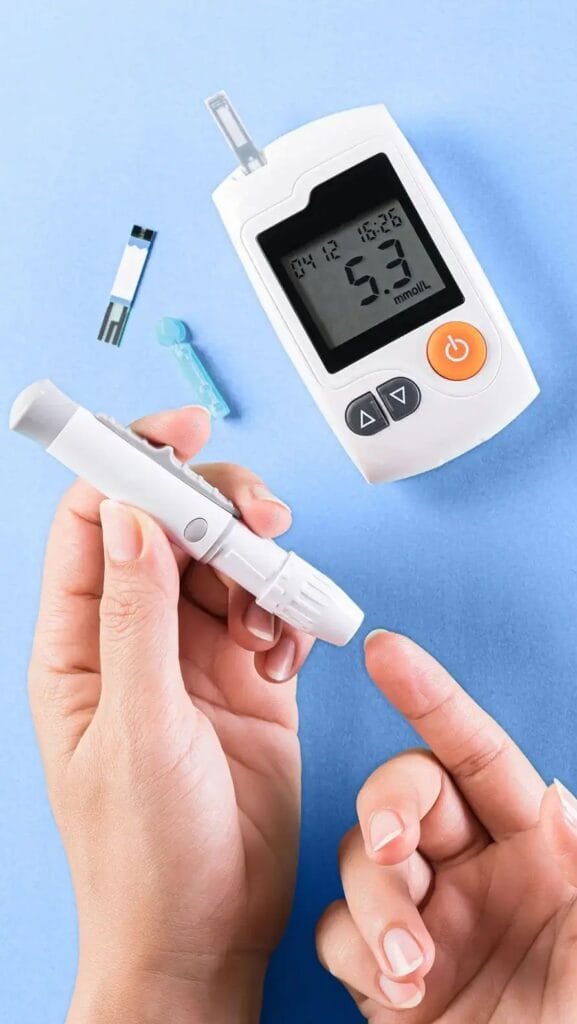
2. Sudden sweating, even when the room is cool
One of the stranger things about low blood sugar is that you can feel clammy and sweaty in a room that is 68°F. I’ve heard people describe it as a “cold sweat” that appears out of nowhere. This happens because the body releases stress hormones, including adrenaline, in response to falling blood glucose.
If the sweating arrives with shakiness, hunger, or a racing heart, think low blood sugar before you assume it is just a warm sweater or overheated office. Keep treatment simple and fast: 15 grams of quick carbohydrate, then recheck in 15 minutes.
3. Intense hunger that comes on fast
Normal hunger tends to build gradually. Low-blood-sugar hunger is different. It can feel sudden, urgent, and oddly specific, as if your body has skipped polite conversation and gone straight to demands. You may find yourself craving juice, candy, bread, or anything sweet.
This is where a lot of people make a common mistake: they eat a full meal immediately, often including high-fat foods like cookies, chocolate, or a pastry. Those foods can slow the rise in blood sugar. It is better to treat first with 15 grams of fast carbohydrate, then have a balanced snack or meal once your glucose is back above 70 mg/dL. A good follow-up snack is peanut butter crackers, half a turkey sandwich, or 6 ounces of yogurt with a small piece of fruit.
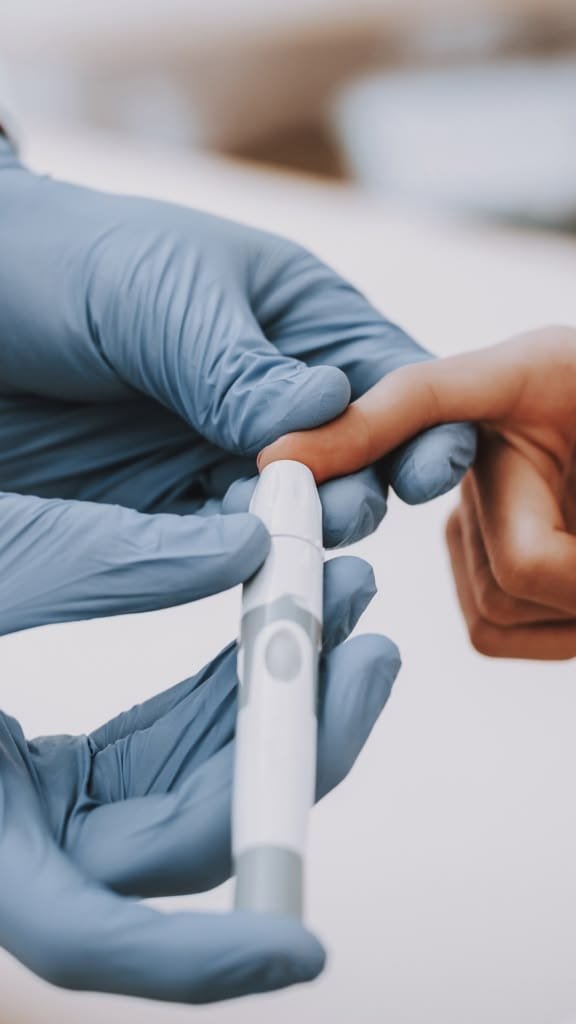
4. Dizziness or lightheadedness
If you stand up and feel suddenly unsteady, low blood sugar may be part of the story. In cool weather, this can happen after a brisk walk, after running errands without lunch, or after having coffee on an empty stomach. The brain is highly dependent on glucose, so even a modest drop can leave you feeling foggy and off-balance.
Sit down first so you do not fall. Then test if you’re able. If you cannot test but the symptoms feel familiar and you are at risk for hypoglycemia, treat anyway. Safety matters more than perfection in the moment.
5. Headache that seems to appear from nowhere
A low-blood-sugar headache can start as a dull pressure behind the eyes or across the forehead and then sharpen quickly. During colder months, many people assume the cause is dry indoor heat, dehydration, or too much time under fluorescent office lights. Those can all be true, but low blood sugar should stay on the list if you have risk factors.
Notice timing. Did you delay lunch by 2 hours? Take diabetes medication and then shovel snow, walk farther than usual, or shop all afternoon? If so, check your blood sugar. Patterns matter, and writing them down can help your clinician adjust meals or medication.
6. Rapid heartbeat or a pounding pulse
A racing heart can be alarming. It is another adrenaline-driven warning sign. Some people notice it while sitting still; others feel it after just mild activity, like carrying groceries in from the car. It may come with trembling, anxiety, or a vague feeling that something is not right.
If you have chest pain, severe shortness of breath, or fainting, seek emergency care immediately rather than assuming it is only low blood sugar. But if a quick glucose check confirms a low, use the 15-15 method: 15 grams of fast carbohydrate, then retest in 15 minutes.
7. Irritability, anxiety, or a sudden mood change
This is one of the most overlooked signs. A person who is usually patient can become snappish, teary, restless, or unusually anxious when blood sugar drops. I’ve seen this happen around late-afternoon errands, especially when someone has had lunch at noon and it is now 4:30 p.m. with only coffee in between.
Because the symptom feels emotional, people often miss the physical cause. If you or someone in your household becomes abruptly moody, confused, or agitated and hypoglycemia is a possibility, check first before arguing through it. A meter can end a lot of guesswork in 5 seconds.
8. Trouble concentrating or thinking clearly
Low blood sugar can make simple tasks feel strangely difficult. Reading a paragraph, answering an email, following a recipe, or balancing a checkbook may suddenly take far more effort than usual. I always tell people this is not a character flaw or a lack of focus; the brain simply needs fuel.
In practical terms, this is why it is smart to keep treatment in more than one place: a coat pocket, the car, a work bag, and the bedside table. When thinking gets fuzzy, convenience matters. Glucose tablets are especially useful because each tablet is premeasured, usually 4 grams apiece.
9. Blurred vision
Vision may become slightly blurry, dim, or hard to focus. If you are driving, pull over safely and check your blood sugar as soon as possible. Do not try to “push through” and get home. Low blood sugar can worsen quickly, and driving while symptomatic is dangerous.
For anyone who takes insulin or certain diabetes medications, keeping at least two low-blood-sugar treatments in the car is wise: for example, a tube of glucose tablets and 4 ounces of shelf-stable juice. Check expiration dates every 2 to 3 months.
10. Tingling around the mouth or in the fingers
Not everyone gets this symptom, but when they do, it can be distinctive. A slight tingling around the lips, tongue, or fingertips may show up before more obvious symptoms. Because cool weather can also make fingers feel odd or numb, this sign can be easy to dismiss.
Again, context helps. If you have been active, ate less than usual, drank alcohol, or took glucose-lowering medication, tingling deserves attention. Test if possible and treat promptly if your glucose is below target.
11. Confusion, clumsiness, or slurred speech
This is a more serious stage of hypoglycemia. A person may seem disoriented, stumble, speak unclearly, or act as though they are intoxicated. At this point, they may not be able to treat themselves reliably, which is why family members, coworkers, and close friends should know the signs too.
If the person is awake and able to swallow safely, give 15 to 20 grams of fast-acting carbohydrate. If they cannot swallow safely, are having a seizure, or lose consciousness, call emergency services immediately and use glucagon if it has been prescribed and you know how to administer it. Severe low blood sugar is an emergency.
12. Nighttime lows: waking with sweats, bad dreams, or a morning headache
Cool nights can hide this pattern. Some people wake up drenched in sweat even though the room is chilly. Others have vivid dreams, restless sleep, or wake with a headache and feel worn out in the morning. If this happens repeatedly, especially after increased activity or a lighter-than-usual dinner, nighttime hypoglycemia may be involved.
Talk with your clinician if this is happening more than once or twice, because medication timing, evening exercise, or dinner composition may need to be adjusted. A bedtime snack that includes both carbohydrate and protein, such as 1 small apple with 1 tablespoon peanut butter or 6 whole-grain crackers with 1 ounce cheese, may help in some cases, but medication changes should be guided by a professional.
What cool weather has to do with it
As the weather cools, routines get less predictable. People may exercise harder because the air feels better, spend more time outdoors, or put off meals while running holiday errands. Some also feel less thirsty in cold weather and end up a bit dehydrated, which can make them feel generally unwell and less tuned in to early hypoglycemia symptoms.
Layer in seasonal schedule changes, more travel, heavier clothing that hides sweating, and the habit of warming up with coffee instead of breakfast, and it becomes easy to miss the early cues. That is why the first warning sign matters so much. Catching a shaky spell early can prevent a much more serious low an hour later.
The best fast-acting treatments to keep on hand
Not all carbohydrates work equally well in an emergency. The best options are measured, quick to absorb, and easy to carry. Reliable choices include 4 glucose tablets, 1 tube of glucose gel, 4 ounces of regular juice, 4 ounces of regular soda, or 1 tablespoon of sugar or honey if nothing else is available.
Foods high in fat, such as chocolate bars, ice cream, or pastries, are not ideal first treatments because fat slows stomach emptying. Save those for pleasure, not for emergency correction. I like the same rule I use in cooking: use the right ingredient for the job.
When to follow treatment with a snack or meal
Once your blood sugar is back above 70 mg/dL and symptoms are improving, the next step depends on timing. If your next full meal is more than 1 hour away, have a snack with carbohydrate plus protein or fat to help maintain your level. Think 15 grams of carbohydrate paired with something sustaining.
Examples include half a sandwich, 1 small banana with 1 tablespoon peanut butter, or 3/4 cup plain Greek yogurt with a few berries. If dinner is already on the table, go ahead and eat your meal instead. This is one place where a little planning can prevent a repeat low.
When to call for medical help
Get emergency help right away if the person passes out, has a seizure, cannot swallow safely, or does not improve after treatment. Also contact a healthcare professional if low blood sugar is happening several times a week, occurring overnight, or appearing after routine activities that used to be well tolerated.
Frequent lows are not something to “tough out.” They may mean medication doses, meal timing, exercise plans, or alcohol intake need to be adjusted. If you use insulin or a sulfonylurea medication, ask your clinician for a specific low-blood-sugar action plan and whether you should keep glucagon at home.
Simple ways to prevent lows as the seasons change
A few practical habits go a long way. Eat on a regular schedule, especially if you take glucose-lowering medication. Carry at least 15 to 30 grams of fast carbohydrate whenever you leave home. Check blood sugar before and after longer walks or outdoor chores if exercise tends to lower you. And do not let coffee replace breakfast.
I also recommend making your own “cold-weather kit”: glucose tablets, a small juice box, a protein snack, water, and a medication list tucked into a handbag, backpack, or glove compartment. It is not glamorous, but neither is getting shaky in a parking lot at 5 p.m. in November.
A final practical note
If there is one takeaway I want you to remember, it is this: shakiness is often the body’s earliest alarm bell, and it deserves respect. When that uneasy, jittery feeling shows up as the weather cools, do not brush it off as stress or a draft under the door. Check if you can, treat promptly, and follow up with a steadying snack or meal.
Good cooking has taught me that timing changes everything, and blood sugar is no different. Catch a low early and it is often easy to fix. Miss the first warning signs, and the situation can escalate fast. A little preparation, like any good pantry habit, makes all the difference.