
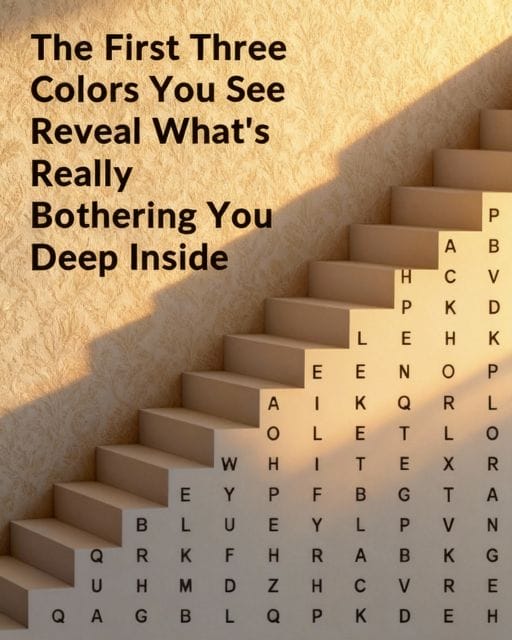
Colors have long been associated with mood, emotion, and personal expression. Many people feel naturally drawn to certain shades, whether in clothing, home décor, or everyday objects. While color preferences don’t define who we are, they can offer a playful way to reflect on personality traits and emotional tendencies. Seeing your favorite color as a mirror of your inner world can be a lighthearted exercise in self-discovery, helping you think about how you approach life, relationships, and personal goals.
Those drawn to deep and rich tones, such as purple or blue, often enjoy imagination, calm environments, and thoughtful conversations. They may value creativity, intuition, and emotional awareness, preferring meaningful connections over large social circles. People who favor strong shades like red or orange are often energetic and expressive, enjoying action, social interaction, and bold ideas.
Softer tones such as pink, white, or grey can reflect a love for harmony, simplicity, and balance, while earthier colors like green and brown are commonly linked to stability, nature, and practicality. Each preference offers a different perspective, suggesting how someone might seek comfort, inspiration, or motivation in daily life.
Beyond colors, visual choices can also reveal interesting insights into personal priorities. For example, when viewing an image with multiple focal points, the first detail that captures your attention may reflect what you value most. Noticing a baby first might suggest a caring and nurturing outlook, while seeing a dog could hint at appreciation for loyalty and companionship.
Focusing on water may reflect emotional sensitivity and intuition. Similarly, whether you picture a scene inside a home or outdoors can represent how you balance comfort and adventure — some people feel happiest in familiar spaces, while others are energized by new experiences and challenges. These observations are not rules, but gentle prompts for self-reflection.
Personality and preference exercises like these are meant to be fun and inspiring rather than absolute. They invite you to pause, consider your habits, and appreciate the variety of ways people see the world.
Whether you relate strongly to one color or find yourself drawn to many, each choice tells a small story about your tastes, moods, and outlook. Exploring these ideas can spark conversation, laughter, and curiosity about yourself and others. In the end, the most meaningful discovery is understanding that personality is beautifully diverse — and every shade has its own unique charm.