
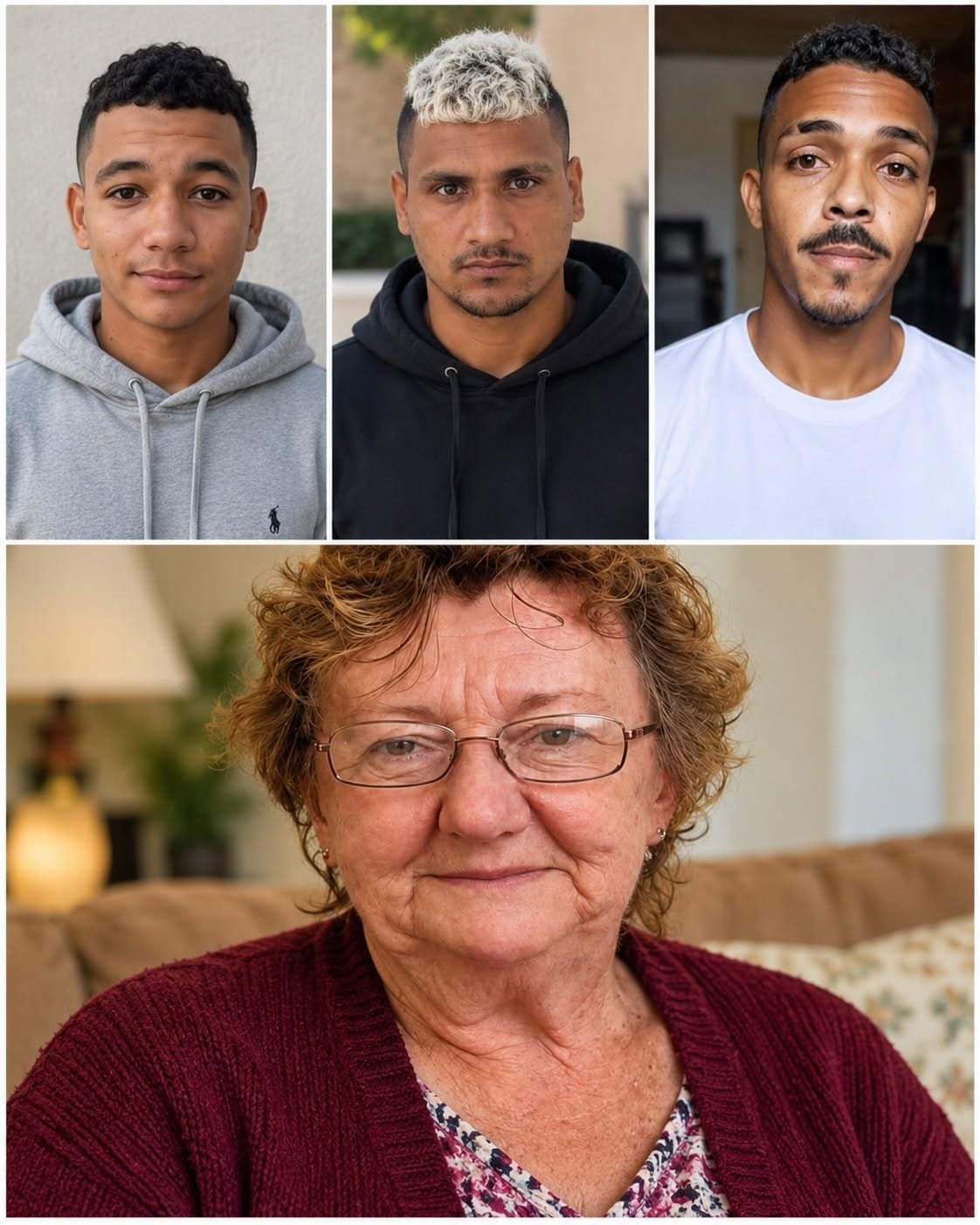
An Elderly Woman’s Final Days in a Lonely Motel Room: A Heartbreaking Reminder That No One Should Be Forgotten
Behind the closed doors of ordinary rooms, countless older adults face struggles the world rarely sees. One elderly woman’s story raises a painful question: How many people are quietly suffering while life continues around them?
A Story That Should Make Us Look Beyond the Headlines
Some stories capture public attention because of extraordinary events. Others leave a lasting impression precisely because they reveal something painfully ordinary: the quiet struggles of people who live among us but remain almost invisible.

The account of an elderly woman whose final chapter unfolded in a motel room belongs to the second category.
The original account does not provide enough verified information to establish her identity, personal history, the precise circumstances of her passing, or how long she may have been without support. Those details should not be invented or assumed.
But the broader concern raised by the story is unmistakable.
For many older adults, loneliness is not simply an occasional feeling. It can become a daily reality shaped by financial difficulties, declining health, reduced mobility, the loss of loved ones, and the gradual disappearance of meaningful social connections.
A motel room may provide a bed, a roof, and temporary privacy. Yet for someone facing serious hardship, those basic necessities may offer little protection against the emotional and practical challenges of growing older without a dependable support network.
The most troubling aspect of such a story is not necessarily the location itself. People stay in motels for many different reasons, and temporary accommodation does not automatically mean neglect or abandonment.

The deeper concern is the possibility that a vulnerable person could experience serious difficulties without anyone recognizing the warning signs or knowing how to respond.
That possibility forces us to consider uncomfortable questions.
How often do we notice older people who live alone?
Do we recognize when someone who was once active in the neighborhood has stopped appearing?
Are we familiar with the resources available to seniors struggling with housing, transportation, food, or medical care?
And perhaps most importantly, have we created communities where asking for help feels safe rather than humiliating?
These questions extend far beyond one woman or one motel room. They touch the lives of millions of older adults, their families, their neighbors, and the communities responsible for providing a basic sense of belonging.
The Quiet Reality of Growing Older Alone
Aging is a natural part of life, but the circumstances surrounding it vary enormously.
Some older adults enjoy retirement surrounded by family, friends, and familiar routines. They maintain active social lives, participate in community activities, and feel secure knowing that someone will respond if they need assistance.

Others experience a very different reality.
Over time, their social circles may grow smaller. A spouse or longtime companion may no longer be present. Friends may relocate, develop health problems, or become less able to visit.
Adult children may live in another city or country. Former coworkers may disappear from daily life after retirement. Neighborhoods may change as familiar residents move away.
The routines that once provided structure and companionship can gradually fade.
For an older person who previously spent decades working, raising children, caring for relatives, or participating in community life, this transition can be emotionally difficult.
A person who once felt needed may begin to feel disconnected from the world around them.
Yet these changes do not happen to everyone, and living alone should never automatically be treated as a problem.
Many seniors value their independence, maintain strong relationships, and enjoy living by themselves.
The critical distinction is whether they have the meaningful connections, resources, and practical assistance they want and need.
The National Institute on Aging explains that loneliness and social isolation are related but different experiences. Social isolation involves limited contact with other people, while loneliness refers to the distressing feeling that one’s social relationships are insufficient.
A person can live alone without feeling lonely. Another can experience profound loneliness despite regularly being surrounded by people.
That distinction matters because effective support begins with understanding the individual, rather than making assumptions about their circumstances.
When Independence Becomes Difficult to Maintain
For many older adults, independence represents far more than the ability to complete daily tasks.
It is connected to identity, self-respect, personal freedom, and the right to make decisions about one’s own life.
After decades of managing responsibilities, the prospect of depending on other people can be unsettling.

Some seniors hesitate to admit when ordinary activities become more difficult.
They may struggle to carry groceries, climb stairs, manage medications, prepare meals, or travel to appointments.
But they may continue telling friends and relatives that everything is fine.
Sometimes that reassurance is accurate. At other times, it may conceal problems they are reluctant to discuss.
There are several understandable reasons an older person might resist asking for assistance.
They may worry about becoming a burden. They may fear that relatives will question their ability to live independently. They may feel uncomfortable discussing financial problems.
Some are concerned that admitting difficulty could lead to unwanted changes in their living arrangements.
Others simply do not know what services are available.
Imagine someone who has spent a lifetime supporting others suddenly needing help with groceries or transportation.
Even a small request can feel enormous when independence has always been a source of pride.
This is why compassionate assistance must begin with respect.
Rather than assuming what an older person needs, families and service providers should listen carefully and involve that person in decisions whenever possible.
A simple question such as “Would it be helpful if I brought something from the grocery store?” can feel very different from an unsolicited declaration that someone is no longer capable of caring for themselves.
The goal should not be to take control away from older adults.
It should be to provide the support that allows them to retain as much control as possible.
The Hidden Crisis of Senior Housing Insecurity
The mention of a motel room raises another important issue: housing insecurity among older adults.