
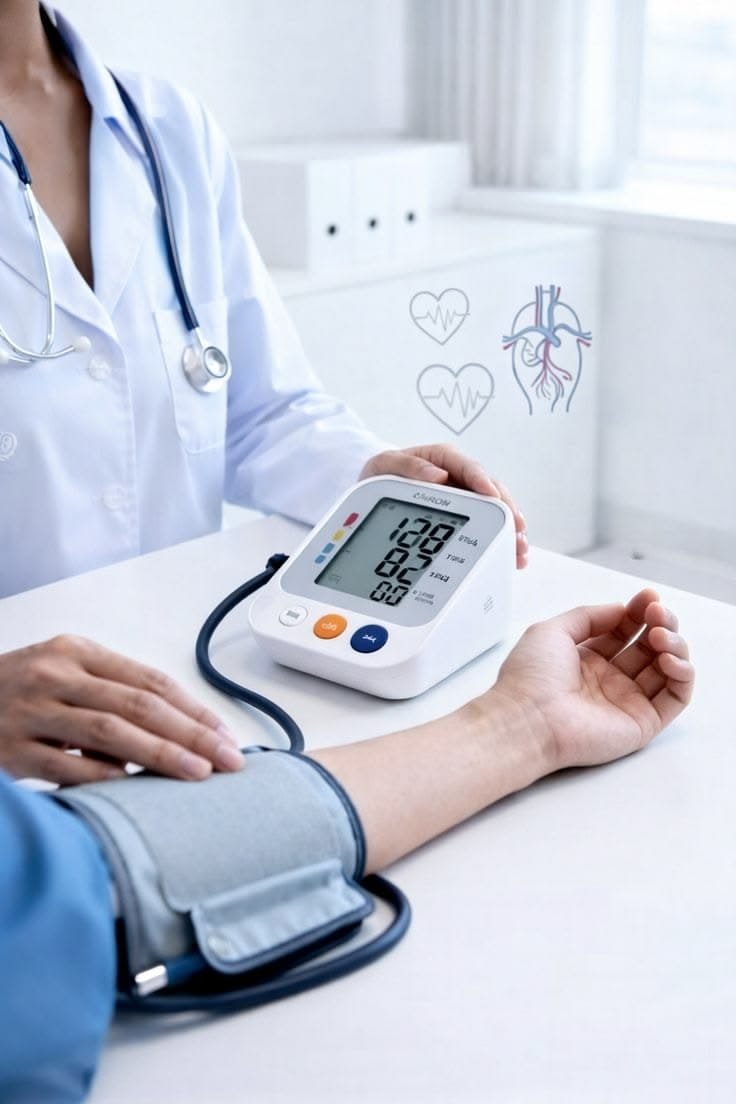
If there’s one thing I wish more people understood about high blood pressure, it’s this: the first warning sign is often no warning sign at all. That’s what makes it so tricky. I’ve known plenty of people who felt perfectly fine at 48, 56, even 67, only to find out during a routine check that their blood pressure had been running high for months or years. By the time obvious symptoms show up, the numbers may already be high enough to strain the heart, kidneys, eyes, and brain.

So while the headline promises a “first warning sign,” the honest answer is that high blood pressure often whispers before it ever shouts. What I want to do here is walk you through 12 signs and clues that can point to hypertension, explain which ones are common and which ones are emergency-level, and then tell you exactly what to do next—at home, at the pharmacy kiosk, and in your doctor’s office. I’m also going to give you real numbers, because in blood pressure, numbers matter more than guesses.
1. The first warning sign may be no symptoms at all
This is the most important point in the whole article. High blood pressure—hypertension—is often called a “silent” condition because many people have no headache, no dizziness, no pain, and no dramatic clue. A blood pressure of 142/92 mmHg can feel exactly the same as 118/76 mmHg.
In adults, a normal reading is generally below 120/80 mmHg. Elevated blood pressure is 120–129 systolic with diastolic under 80. Stage 1 hypertension starts at 130/80. Stage 2 begins at 140/90 or higher. A hypertensive crisis is usually 180/120 or higher, especially if repeated after 5 minutes of quiet rest. Because you cannot rely on symptoms, the real “first sign” is often a number on a cuff.
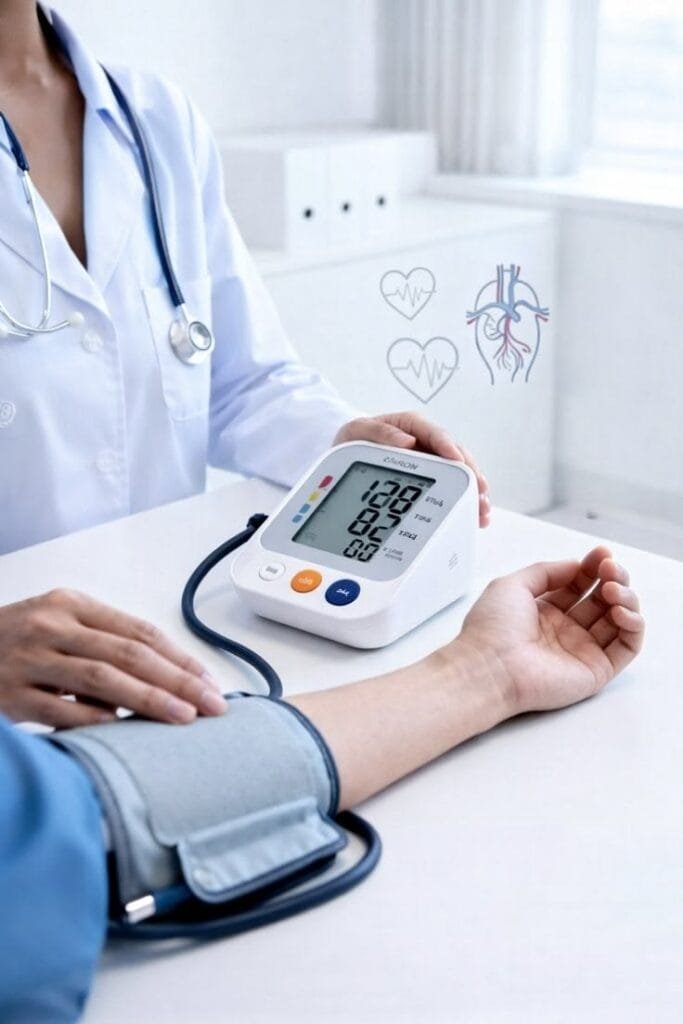
What to do: if you’re over 40, overweight, sedentary, under chronic stress, have diabetes, kidney disease, sleep apnea, or a family history of hypertension, check your blood pressure regularly. Home monitors with an upper-arm cuff tend to be more reliable than wrist cuffs. Sit for 5 minutes, feet flat on the floor, back supported, arm at heart level, and avoid caffeine, smoking, and exercise for 30 minutes before measuring.
2. Morning headaches that keep showing up
Some people with uncontrolled high blood pressure notice headaches, especially in the morning. These are often described as a dull, pressure-like ache at the back of the head or across the forehead. They’re not a dependable early sign, but when headaches become frequent and your readings are repeatedly above 140/90, the two may be related.
I always tell people not to diagnose themselves from a headache alone. Dehydration, poor sleep, skipped meals, sinus congestion, and tension are all more common causes. But if you wake up with headaches 3 or 4 mornings a week, it’s worth checking your blood pressure for 7 days in a row and writing the readings down.
What to do: take two readings, 1 minute apart, morning and evening for a week. Bring the log to your clinician. Seek urgent care right away if the headache is severe and sudden, or if it comes with confusion, chest pain, weakness, or a blood pressure near or above 180/120.
3. Dizziness or feeling lightheaded
Dizziness gets blamed on blood pressure all the time, but the truth is more nuanced. Mild high blood pressure usually does not cause dizziness. However, very high readings, changes in blood pressure medication, dehydration, irregular heartbeat, or standing up too quickly can make you feel woozy.
If you feel lightheaded while your reading is 165/100 or 172/98, don’t assume it’s harmless. And if dizziness comes with fainting, slurred speech, one-sided weakness, double vision, or trouble walking, think stroke or another emergency until proven otherwise.
What to do: sit down, rest for 5 minutes, and recheck your blood pressure. Drink water if you may be dehydrated. If the symptom persists or is paired with neurologic symptoms, call emergency services. If dizziness happens after starting medicine, ask your doctor whether your dose needs adjusting.
4. Blurred vision or visual changes
High blood pressure can damage the tiny blood vessels in the eyes over time, a problem sometimes called hypertensive retinopathy. People may notice blurred vision, trouble focusing, or seeing spots. In many cases there are no eye symptoms until the pressure has been high for quite a while.
One reason routine eye exams matter is that an optometrist or ophthalmologist may spot vessel narrowing, swelling, or bleeding in the retina before you feel anything unusual. This is especially important if you also have diabetes, because diabetes and hypertension together can accelerate eye damage.
What to do: if your vision suddenly changes, especially in one eye, get urgent evaluation the same day. If the change is gradual, schedule both an eye exam and a blood pressure check. Bring a list of your medications, including decongestants and NSAID pain relievers, since both can raise blood pressure in some adults.
5. Nosebleeds that are more frequent than usual
Nosebleeds are not one of the classic dependable signs of hypertension, but they do show up more often in people with very high or poorly controlled pressure. Dry indoor air, allergies, nose picking, blood thinners, and nasal sprays are much more common triggers, so context matters.
If someone who rarely has nosebleeds starts getting them twice a week and their blood pressure readings are also running 150/95 or 160/100, that’s worth investigating. It’s less about the nosebleed itself and more about the pattern.
What to do: sit upright, lean slightly forward, and pinch the soft part of the nose continuously for 10 to 15 minutes. Don’t tilt your head back. Check your blood pressure once the bleeding is controlled. If the nosebleed lasts more than 20 minutes, is heavy, or happens with a very high reading and severe symptoms, seek immediate care.
6. Shortness of breath with ordinary activity
If climbing one flight of stairs, carrying groceries, or walking across a parking lot suddenly leaves you winded, don’t ignore it. High blood pressure makes the heart work harder. Over time, that strain can thicken the heart muscle and contribute to heart failure, fluid buildup, and exercise intolerance.
Shortness of breath can also point to asthma, anemia, lung disease, COVID, a blood clot, or poor fitness, so it’s not specific. But when it appears alongside ankle swelling, fatigue, chest pressure, or blood pressure readings above 140/90, it deserves prompt medical attention.
What to do: write down when the breathlessness happens, how long it lasts, and what your blood pressure and pulse were if you measured them. If you are short of breath at rest, cannot speak in full sentences, or have chest pain, call emergency services.
7. Chest pressure, tightness, or pain
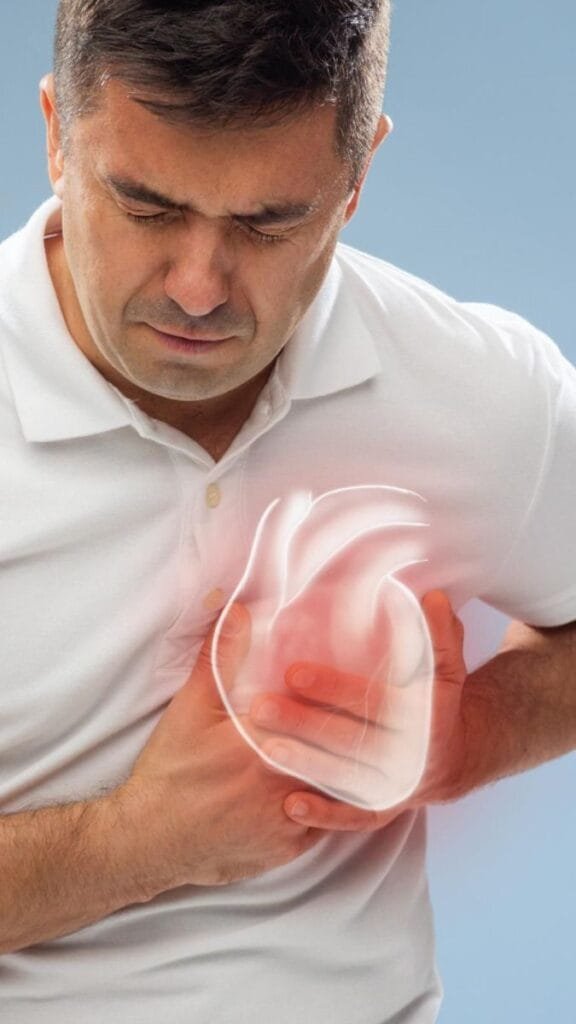
This is not an early subtle clue—it’s a red flag. High blood pressure itself may not directly cause chest pain every time, but it raises the workload on the heart and increases the risk of angina, heart attack, and aortic problems. Pressure, squeezing, heaviness, or pain in the chest should always be taken seriously.
Some people describe it as an “elephant sitting on the chest.” Others feel burning, fullness, or pain that moves into the arm, jaw, back, or neck. The danger is higher if symptoms begin with exertion or emotional stress and improve with rest.
What to do: if chest discomfort lasts more than a few minutes, or comes with sweating, nausea, shortness of breath, or a blood pressure of 180/120 or higher, call emergency services immediately. Don’t drive yourself if you feel unstable.
8. Heart pounding, fluttering, or an irregular beat
Many people become aware of their heartbeat when their blood pressure is high, especially during stress or after too much caffeine. Palpitations can feel like pounding, racing, skipping, or fluttering in the chest or throat. Sometimes they are harmless; sometimes they signal atrial fibrillation or another rhythm issue.
Because high blood pressure and rhythm disorders often travel together, repeated palpitations deserve a closer look. This is especially true if your resting heart rate is regularly over 100 beats per minute, or if palpitations are paired with weakness, dizziness, chest discomfort, or breathlessness.
What to do: cut back on energy drinks, nicotine, and excess alcohol while you track episodes. Note the time, duration, pulse rate if known, and whether you were resting or active. Ask your clinician whether you need an ECG, Holter monitor, or labs for thyroid and electrolytes.
9. Fatigue that doesn’t make sense
Uncontrolled high blood pressure can leave some people feeling unusually tired, even if they’re sleeping enough. The effect may be indirect—poor sleep, heart strain, medication side effects, or kidney stress can all sap energy. Fatigue by itself is vague, but fatigue plus blood pressure consistently above 130/80 deserves attention.
I’m especially cautious when someone says, “I’m tired all the time and I can’t figure out why,” and they also snore loudly, wake up unrefreshed, or have gained 10 to 20 pounds over a year or two. That combination raises my suspicion for sleep apnea, which commonly drives resistant hypertension.
What to do: if fatigue persists longer than 2 to 4 weeks, schedule a primary care visit. Ask whether you should be screened for sleep apnea, anemia, thyroid disease, kidney problems, and diabetes. If your blood pressure medicine seemed to trigger the fatigue, don’t stop it on your own—ask about alternatives.
10. Swelling in the ankles, feet, or lower legs
Swollen ankles at the end of the day can happen from standing too long, hot weather, or salty meals, but persistent swelling can also suggest that high blood pressure has begun affecting the heart or kidneys. Certain blood pressure medicines, especially some calcium channel blockers, can cause ankle swelling too.
Here’s where details help. Mild puffiness after a restaurant meal is one thing. Daily swelling that leaves sock marks, makes shoes tight by evening, or climbs above the ankles is another. If you gain 2 to 3 pounds in 24 hours or 5 pounds in a week with swelling and breathlessness, that needs quick evaluation.
What to do: reduce sodium, elevate your legs when resting, and keep a record of your weight each morning after using the bathroom. Call your doctor promptly if swelling is new, worsening, or paired with shortness of breath or reduced urination.
11. Confusion, weakness, numbness, or trouble speaking
These are emergency symptoms. Very high blood pressure can contribute to stroke, transient ischemic attack, or hypertensive encephalopathy. Sudden confusion, facial droop, numbness on one side, trouble finding words, slurred speech, severe imbalance, or a sudden severe headache should never be watched at home “for a while.”
Remember the FAST warning signs of stroke: Face drooping, Arm weakness, Speech difficulty, Time to call emergency services. A person can have a stroke even without chest pain and even if they “look okay” at first glance.
What to do: call emergency services immediately. Note the exact time symptoms started. Do not give food, drink, or extra medication unless emergency professionals advise it.
12. Kidney warning signs: changes in urination or abnormal lab work
The kidneys and blood pressure affect each other in both directions. High blood pressure can damage the kidneys, and kidney disease can drive blood pressure higher. Early kidney involvement may not hurt, but clues can include foamy urine, urinating more at night, swelling, or lab abnormalities such as rising creatinine or protein in the urine.
This is one reason a blood pressure workup often includes blood and urine tests. A creatinine test, estimated GFR, and urine albumin-to-creatinine ratio can reveal problems long before kidney disease becomes obvious.
What to do: if you have hypertension, ask how often your kidney function should be checked. For many adults, yearly testing is reasonable, but people with diabetes, known kidney disease, or medication changes may need more frequent monitoring.
13. What your numbers mean and when to worry
Blood pressure has two numbers: systolic over diastolic. The top number measures pressure when the heart beats; the bottom number measures pressure when the heart relaxes. In practical terms, a reading of 128/78 is elevated but not hypertension, 134/84 falls into stage 1, and 148/94 is stage 2.
One high reading after rushing across a parking lot or arguing on the phone does not diagnose hypertension. Usually, diagnosis relies on repeated measurements on different days, home readings, or ambulatory monitoring over 24 hours. However, very high numbers should never be ignored just because it’s “only once.”
What to do: if your reading is 180/120 or higher, wait 5 minutes, sit quietly, and recheck. If it stays that high and you have chest pain, shortness of breath, neurologic symptoms, or severe headache, get emergency help. If it stays that high without symptoms, you still need urgent same-day medical guidance.
14. How to check blood pressure correctly at home
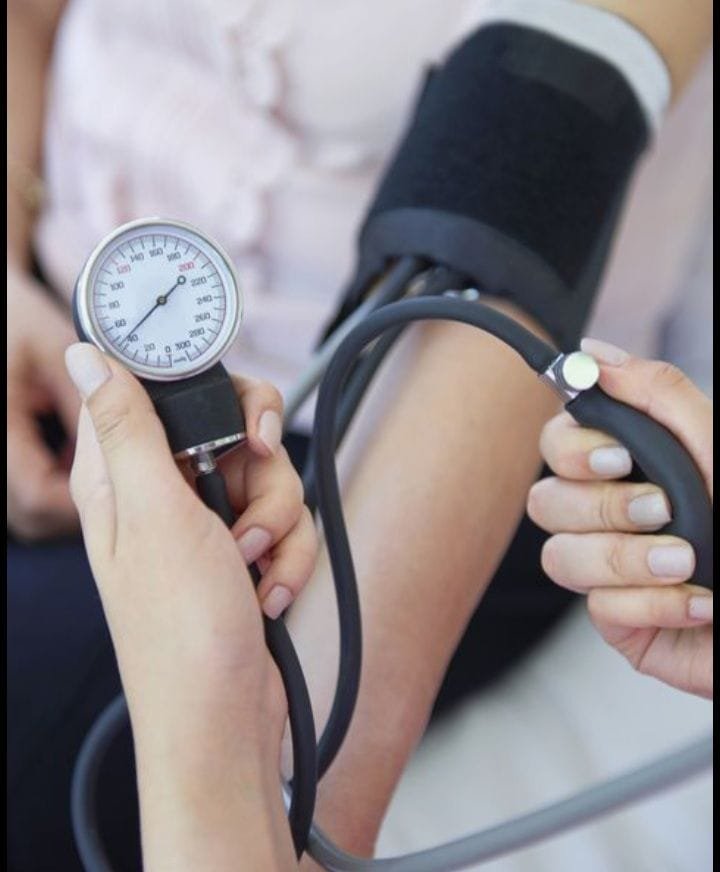
I’m convinced a lot of confusion comes from sloppy technique. Use a validated upper-arm monitor with the correct cuff size. A cuff that is too small can falsely raise the reading by 5 to 20 mmHg. Empty your bladder, sit with your back supported, keep your feet flat and uncrossed, and rest for 5 minutes before measuring.
Take readings at the same times each day, ideally once in the morning before medication and once in the evening. Take two readings 1 minute apart and record both. Do this for 7 days; many clinicians will average the last 6 days and ignore the first day if it was unusually stressful.
What to do: bring your monitor to an appointment once a year so the office can compare it against a clinic reading. If your home numbers are much lower than your office numbers, you may have white-coat hypertension. If home numbers are higher, masked hypertension is possible—and that can be particularly risky because it gets missed.
15. What helps lower blood pressure naturally
Lifestyle changes are not cosmetic add-ons; they can produce meaningful drops in blood pressure. Losing even 10 pounds can help. Regular exercise—about 150 minutes per week of moderate activity such as brisk walking—can lower systolic pressure by roughly 4 to 9 mmHg in some adults. Cutting sodium matters too: aim for less than 2,300 mg per day, and ideally closer to 1,500 mg if your clinician recommends it.
The DASH eating pattern is one of the most reliable approaches I know: more vegetables, fruit, beans, yogurt, nuts, whole grains, and lean proteins; less processed food, deli meat, fast food, canned soup, and salty snacks. A single fast-food meal can easily contain 1,800 to 2,500 mg of sodium—more than many people should get in an entire day.
What to do: start with three concrete steps this week. For example: walk 30 minutes five days this week, stop adding table salt, and replace two packaged lunches with home meals built around vegetables and lean protein. If you drink alcohol, keep it moderate—often no more than 1 drink a day for women and 2 for men, depending on individual medical advice.
16. When medication is needed and how to take it safely
Sometimes lifestyle changes are enough, especially in early hypertension. But many adults need medication, and that is not failure—it’s treatment. Common classes include thiazide diuretics, ACE inhibitors, ARBs, calcium channel blockers, and beta blockers. Choice depends on age, kidney function, race, diabetes status, heart disease, side effects, and other individual factors.
The biggest mistake I see is people stopping medicine when they “feel better.” High blood pressure usually doesn’t make you feel bad in the first place, so feeling normal is not proof that you no longer need treatment. The goal is to keep the numbers controlled day after day, month after month.
What to do: take medication at the same time each day, use a pill organizer if needed, and ask what side effects to watch for. If a drug causes cough, swelling, fatigue, or bathroom trips you can’t tolerate, ask for an adjustment rather than abandoning treatment. Many people need 2 medicines, not because they are sicker than everyone else, but because blood pressure regulation is complex.
17. The bottom line: don’t wait for a dramatic symptom
If you take one message away from this, let it be this one: the first warning sign of high blood pressure is very often a reading, not a feeling. Headaches, blurred vision, chest discomfort, swelling, and breathlessness can happen, but by then the body may already be under strain. The smartest move is not to wait for your body to alarm you.
Check your blood pressure, know your baseline, and act early. If your readings are repeatedly 130/80 or higher, make an appointment. If they are 180/120 or higher, especially with symptoms, treat it as urgent or emergent. Quiet problems still do damage, and hypertension is one of the clearest examples I know. The good news is that once you know your numbers, you can do something about them.