
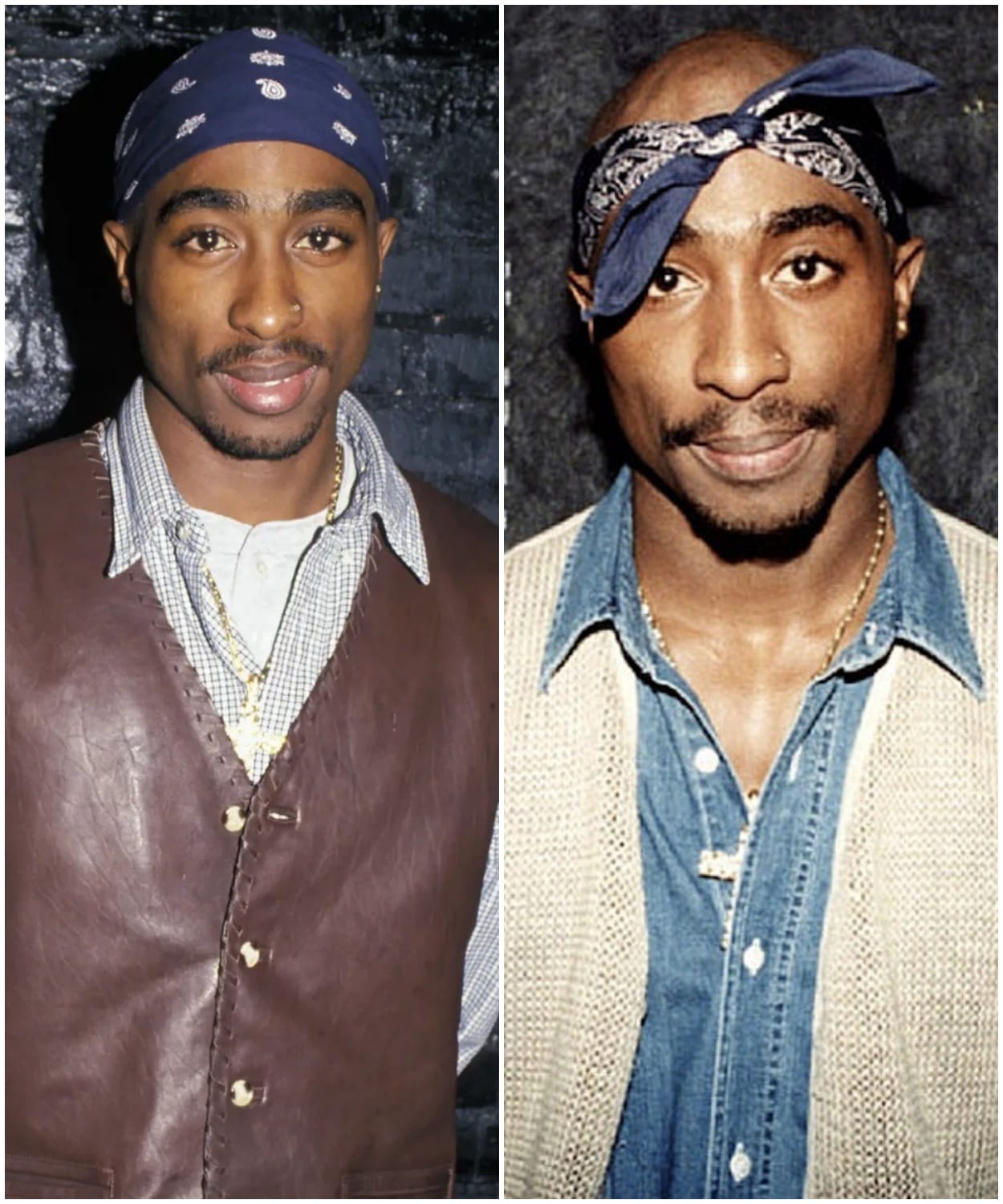
The Shocking Mystery of Tupac’s Death: Did He Really Die or Fake His Own Demise?
On September 13, 1996, the world lost one of its most iconic figures: Tupac Shakur. The legendary rapper’s death, following a brutal shooting in Las Vegas, sent shockwaves through the music industry and beyond.
Yet, nearly three decades later, questions surrounding his demise still linger. Did Tupac really die that fateful night, or is there a deeper conspiracy at play?
With no funeral, no public viewing, and an absence of concrete evidence, the mystery only deepens. This article delves into the perplexing details of Tupac’s death, exploring the theories that suggest he may have faked his own demise.
The Timeline of Tragedy
The events leading up to Tupac’s death are well-documented. On September 7, 1996, Tupac was shot multiple times in a drive-by shooting after attending a Mike Tyson boxing match.
He succumbed to his injuries six days later, on September 13, at the age of 25. While the circumstances surrounding his death are tragic, the aftermath raises eyebrows.

According to reports, Tupac was cremated the very next day. This rapid disposal of his remains left many fans and conspiracy theorists questioning the official narrative.
Why was there no funeral? Why no public viewing? These omissions have fueled speculation that Tupac’s death was staged.
The Peculiar Absence of Evidence
One of the most striking aspects of Tupac’s death is the lack of tangible evidence. Autopsy photos, which are typically public records in high-profile cases, have never been confirmed.
The absence of these images has led to rampant speculation about whether Tupac was indeed dead or if he had orchestrated an elaborate escape.
Additionally, the individual who allegedly handled Tupac’s ashes has also disappeared without a trace. This mysterious figure, who was supposed to oversee the cremation process, has never been seen again, further thickening the plot.

Suge Knight’s Testimony
Suge Knight, the head of Death Row Records and Tupac’s close associate, has made statements that have only added to the confusion. In interviews, Knight claimed that Tupac was in good spirits even after the shooting.
“He was laughing, bumping music,” he said. “I looked in his eyes; he was still fighting.” Such comments raise questions about the severity of Tupac’s injuries and whether he was as close to death as the public was led to believe.
The hospital where Tupac was treated reported that his body was quietly taken away, with no press allowed and no ceremony. This secrecy has led many to wonder why such a high-profile figure was handled with such discretion.
In a culture that thrives on celebrity news, the lack of coverage surrounding Tupac’s death is puzzling.
The Makaveli Connection
Adding another layer to this enigma is the release of Tupac’s final album, titled “The Don Killuminati: The 7 Day Theory,” under the pseudonym Makaveli.
The name itself is significant, as it references Niccolò Machiavelli, a historical figure known for his political cunning and for faking his own death to escape his enemies.
The timing of the album’s release, just a week after Tupac’s supposed death, has led many to speculate that he may have intended to create a new persona while disappearing from the public eye.
The themes of the album also reflect a preoccupation with mortality, betrayal, and the struggles of fame, suggesting that Tupac was acutely aware of the dangers surrounding him.
Some fans believe that the choice of the name Makaveli was a deliberate nod to his desire to outsmart his adversaries and evade the fate that ultimately befell him.
Theories and Speculations
Over the years, numerous theories have emerged regarding Tupac’s death. Some believe he faked his demise to escape the pressures of fame and the violence that surrounded him.
Others argue that he was targeted by rival gangs or even government agencies due to his outspoken nature and influence within the African American community.
One popular theory suggests that Tupac is living in Cuba, where he could be free from the constraints of the music industry and the dangers of his past life.
Proponents of this theory often point to the lack of credible evidence surrounding his death and the absence of a proper goodbye from his family and friends.
Another theory posits that Tupac’s death was a planned event orchestrated by those within the music industry who wanted to capitalize on his legacy.
The idea is that by creating a mystique around his death, Tupac’s brand would live on, allowing for posthumous album releases and continued sales of merchandise.
The Impact of Tupac’s Legacy
Regardless of the truth behind his death, Tupac Shakur’s impact on music and culture is undeniable. His artistry, activism, and raw honesty continue to resonate with fans around the world.
The questions surrounding his demise only add to his legend, making him a figure of intrigue and speculation.
As time passes, the fascination with Tupac’s life and death has only grown. Documentaries, books, and countless articles have explored his legacy, each contributing to the narrative that Tupac was more than just a rapper; he was a cultural icon whose influence transcends generations.
Conclusion: The Unsolved Mystery
The mystery surrounding Tupac Shakur’s death remains one of the most enduring questions in music history. With so many unanswered questions and a lack of concrete evidence, it’s no wonder that conspiracy theories continue to thrive.
Whether he truly died that September night or orchestrated an elaborate escape, Tupac’s legacy lives on, captivating audiences and sparking discussions about fame, justice, and the nature of truth.
As we reflect on Tupac’s life and the circumstances of his death, it’s essential to acknowledge the complexities of celebrity culture and the impact it has on public perception.
The enigma of Tupac Shakur serves as a reminder that sometimes, the truth is stranger than fiction. In a world where narratives can be manipulated and realities obscured, the story of Tupac’s life and death remains a powerful testament to the enduring spirit of a revolutionary artist.